Rare Ball Python Morphs: The Most Coveted Combos of 2026
The hobby has moved well beyond simple albinos. Breeders stack genes to create snakes with unusual colors, clean patterns, and bold contrast. The most coveted combos of 2026 are the ones that blend rarity with visual impact.
Here is a look at the morphs collectors want most, the genes that create them, and where to shop for the best examples. This builds on our full ball python morphs buyer’s guide. Ball pythons already make great pets for several reasons. They are docile, manageable, and come in more color patterns than almost any other snake. A rare morph adds collectibility to that list of reasons.
What Makes a Ball Python Morph Rare?
Rarity in ball pythons comes from genetics. A morph can be rare because the gene is new, difficult to prove, or hard to combine with others. Recessive genes require two copies to appear, which makes recessive projects slower to accomplish and less readily available.
A widely used morph database divides these animals into base morphs and designer morphs. Base morphs are single genes that produce a defined look. Designer morphs combine multiple genes and often deliver a more elaborate appearance. Below are some examples of both base and desingner morphs.
Morph | Category |
|---|---|
| Black Pastel | Base Morph |
Base Morph | |
Base Morph | |
Puma | Designer Morph |
Breeding experience also plays a role. Roussis Reptiles has specialized in multiple recessive combinations and rare ball python morphs since 1994. Decades of work with the same gene families produce more consistent results and healthier animals.
Why Recessive Combos Dominate Rare Morph Breeding
Recessive genes change the way breeders plan projects. Unlike dominant genes, recessives only show when a snake inherits the gene from both parents. That doubles the time needed to produce a visual animal.
Simple recessive morphs like piebald, clown, and albino are the building blocks for rarer snakes. Once a breeder has visible animals, they can pair them to create double and triple recessive combinations. The Albino Clown Pied is exactly that kind of project.
Roussis Reptiles has focused on this style of breeding for decades. The result is a catalog of snakes that would be difficult to reproduce quickly. That is why multiple recessive combinations are among the most valued rare ball python morphs on the market.
Some morphs never lose their appeal. Others climb in popularity as new combinations appear. The combos below are among the most requested by buyers right now.
Piebald and Pied Combinations
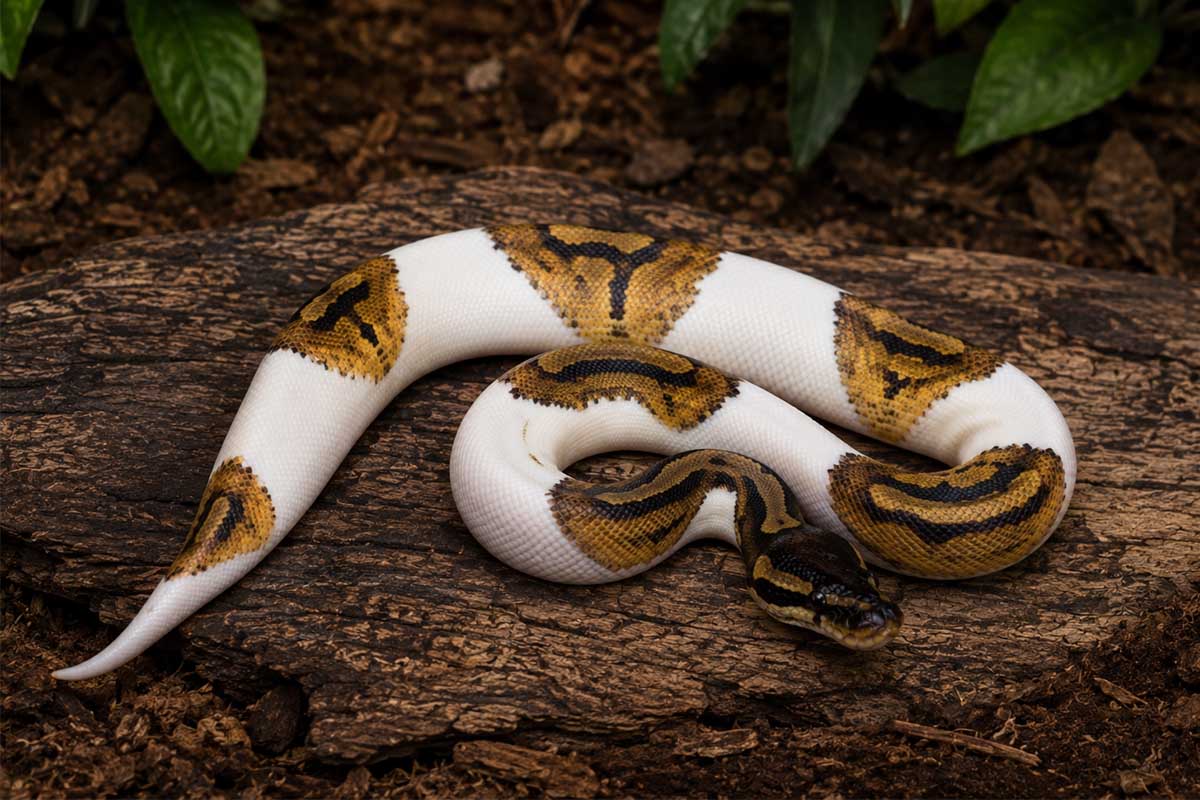
Piebald ball pythons are a cornerstone of the hobby. The white patches and clean contrast make them easy to identify in any collection. XYZReptiles offers baby pied ball pythons for $199.
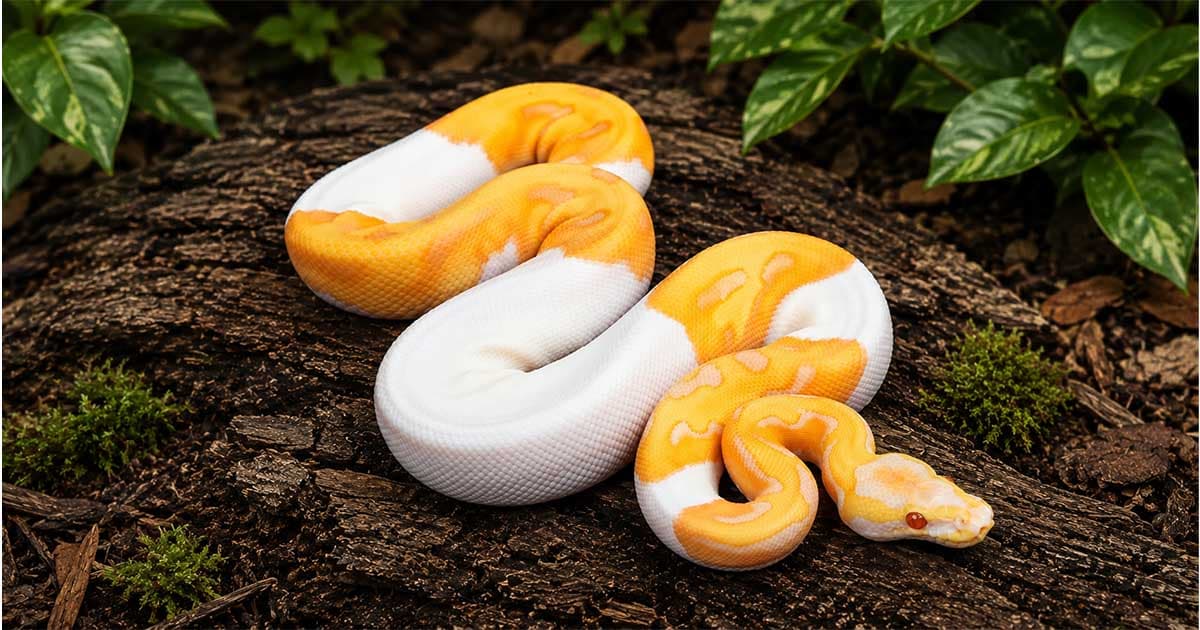
Breeders also use piebald as a base for larger projects. Roussis Reptiles says it maintains the largest and most extensive selection of piebald morphs on the planet. One standout is the Albino Clown Pied, a triple recessive snake that combines albino color, clown pattern, and pied patches in a single animal.
Clown Ball Pythons
Clown is another recessive favorite. It changes the pattern along the spine and creates a busy, detailed look. Clown ball pythons are available from $169 at XYZReptiles, with multiple morph combinations on offer.
Clown works well in multi-gene projects. Breeders often combine it with other morphs in the same lineup, including banana and butter. Each cross changes how the clown pattern reads on the finished snake.
Banana and Yellow Belly Combos
Banana is a warm, speckled morph that pairs well with almost anything. XYZReptiles includes banana among the broad range of ball python morphs it sells. The gene adds color depth without hiding the pattern underneath.
Yellowbelly is a common building block in advanced projects. One breeder described a Pastel Yellowbelly Dreamsicle as the nicest ball python they had produced that season. That combination shows how a few simple genes can create a standout animal.
Blue Eyed Leucistic
Blue eyed leucistic ball pythons are white with light blue eyes. The look is clean, bright, and dramatically different from the wild pattern. XYZReptiles sells this morph for $349.
This morph comes from combining genes that suppress all pigment. The result is a solid white snake that remains one of the most popular luxury morphs in the hobby.
Prices Across the Current Market
Ball python pricing follows supply, demand, and the number of genes involved. Simple morphs are affordable. Advanced combinations cost more because they take more time to produce.
Morph | Starting Price |
|---|---|
Pied | $199 |
Clown | $149 |
$99 | |
Blue Eyed Leucistic | $349 |
Starting prices come from XYZReptiles ball python listings. Specific animals can be priced above the starting amount due to pattern, gender, and gene count.
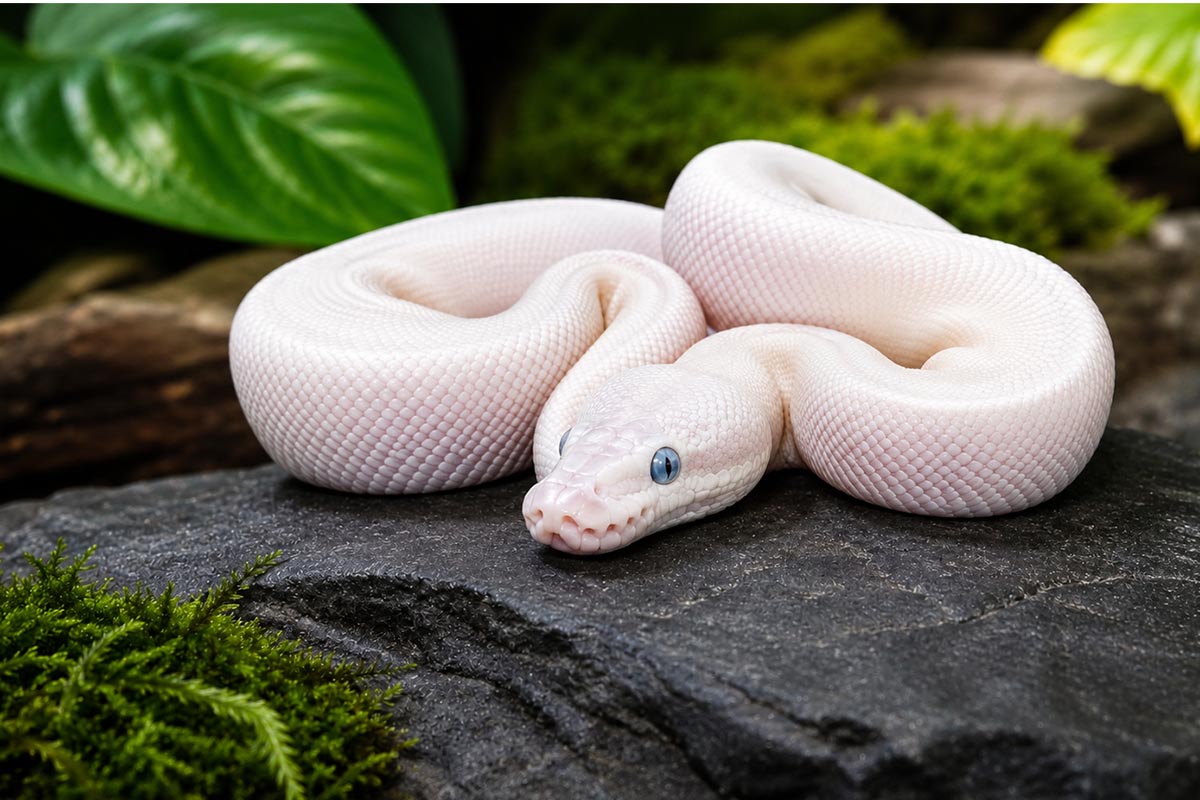 Blue eyed leucistic ball python pictured
Designer Morphs and Advanced Recessives
Once you understand single genes, the next step is combining them. Multi-gene animals take more time to produce, and fewer are available each season. That scarcity is part of the appeal.
The Albino Clown Pied is one example of an advanced recessive project. It stacks three recessive genes in a single animal. Projects like this interest breeders who want rare ball python morphs with lasting value.
Designer morphs such as Puma stand apart from base morphs. They are built from a mix of genes and can vary from clutch to clutch. Collectors who want something unusual often start here. The same is true for uncommon base morphs like Lace, Lori, and Saar, which appear on the major morph lists but remain outside the mainstream.
How to Choose a Rare Ball Python Morph
Start with a clear goal. Some buyers chase a specific look. Others want a snake that fits a breeding plan.
Think about gene type. Recessive morphs like clown and piebald need two copies to show. If you plan to breed, a visible recessive gives you a clear place to start. If you only want a pet, the visual result matters more than the genetic recipe.
Ask about the seller. Trusted breeders share clear photos and explain the morph combination in plain terms. A good listing tells you exactly which genes are included and how the snake has been cared for. It should also show the animal as it looks now, not a colorized or heavily edited version.
Before you buy, run through a quick checklist:
-
Confirm the morph and gene combination.
-
Ask for current photos of the exact snake.
-
Check the seller’s shipping policy.
-
Review the live arrival guarantee.
-
Compare prices across a few reputable stores.
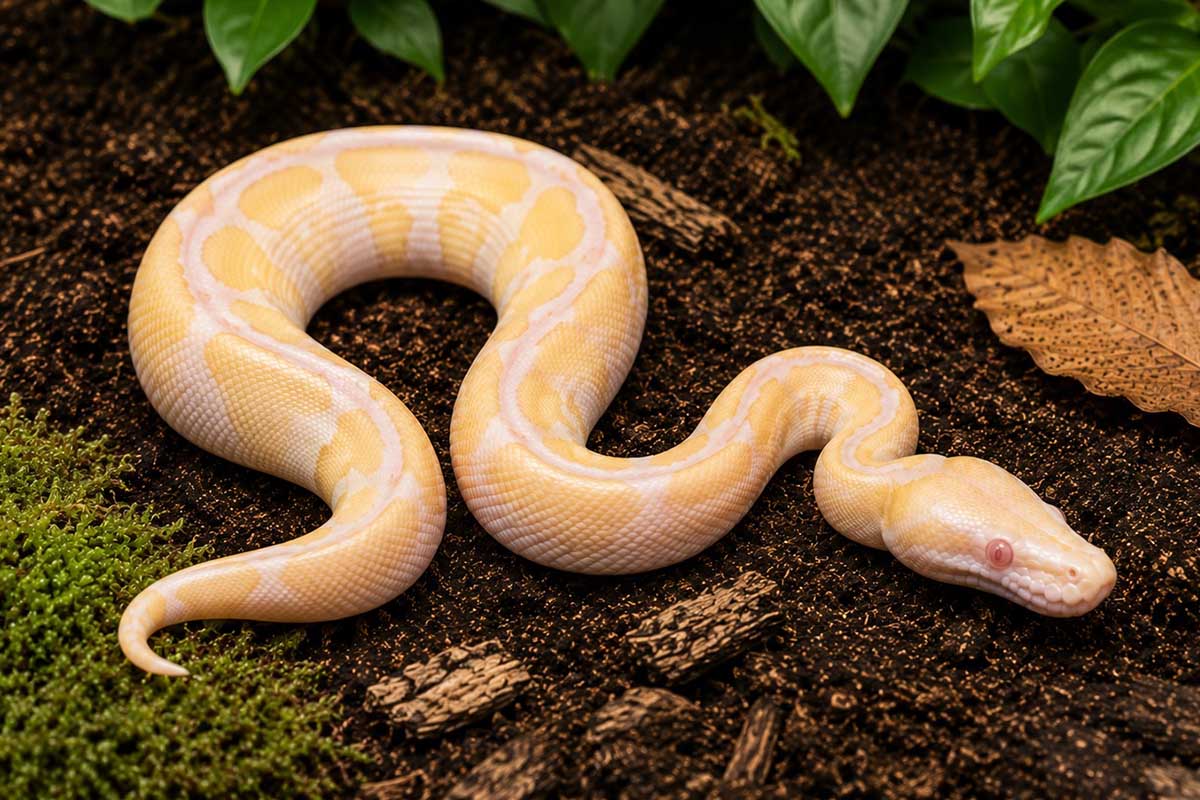 Albino ball python pictured
 Where to Shop for Rare Ball Python Morphs
XYZReptiles carries a broad range of ball python morphs for sale. The lineup includes albino, piebald, clown, banana, blue eyed leucistic, and many advanced multi-gene combinations. The online store is built around live reptiles and reptile supplies, so buyers can add the right supplies and accessories in the same order.
Roussis Reptiles has offered rare ball python morphs since 1994, with a focus on multiple recessive combinations. Wilbanks Reptiles also lists ball pythons and related species for sale. Comparing multiple sellers gives you a clearer sense of market pricing and availability.
The ball python market is broad. You can find simple morphs at entry-level prices and premium projects from specialists. Knowing where to look is half the battle. Start with stores that publish clear photos, list prices openly, and explain the genetics of each animal.
Online buyers should prioritize shipping and guarantees. XYZReptiles ships overnight and backs every animal with a live arrival guarantee. That security matters when you are buying a snake sight unseen.
Frequently Asked Questions
What is the rarest ball python morph?
Rarity changes as new genes are discovered and bred. One breeder pointed to a Pastel Yellowbelly Dreamsicle as the nicest ball python produced in their season. Designer morphs like Puma and less common base morphs like Lace, Lori, and Saar are also difficult to find. True rarity usually means fewer animals are produced each year.
What is the most expensive ball python morph?
The market does not have a single fixed answer. Price tracks rarity, demand, and the number of genes in a combination. Multi-gene recessives like Albino Clown Pied typically sit at the higher end. The best approach is to compare current listings from multiple reputable breeders before making a purchase.
What are the best rare morphs for beginners?
Clown and piebald are solid starting points. They are recessive, easy to understand, and widely available. XYZReptiles lists clown ball pythons from $169 and baby pied examples from $199. Blue eyed leucistic is another option at $349 for keepers who want a bright, high-contrast pet with a simple genetic story.
What is a multi-gene ball python morph?
A multi-gene morph combines two or more mutations in one snake. XYZReptiles sells many advanced multi-gene combinations alongside single-gene morphs. Each gene changes color, pattern, or both. The result is a snake that looks different from any of its single-gene parents and is usually harder to produce.
How do I know a rare morph is healthy?
Health and rarity are separate concerns. A rare morph still needs proper care, clean housing, and regular feeding. Buy from a breeder who shares the snake’s feeding history and husbandry details. The live arrival guarantee protects you during shipping, but long term health depends on what you do after the snake arrives.