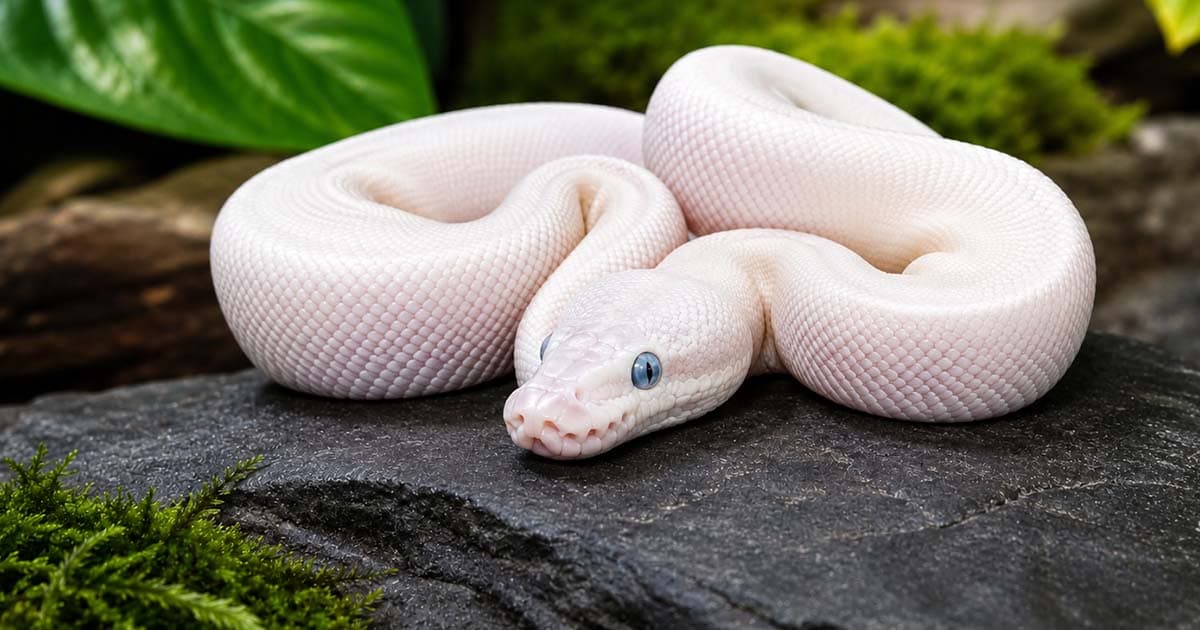
Ball Python Morphs Explained: A Buyer’s Guide for 2026
Ball python morphs are one of the main reasons this species has become so popular among reptile keepers. A morph is a variation in a snake’s color, pattern, or both, caused by a mutation in a specific gene, and the range of possible looks is enormous. Breeders have named hundreds of morphs over the years, and new combinations continue to appear. If you are buying a ball python in 2026, understanding the basics of morphs will help you choose a snake you will enjoy for years.
What Are Ball Python Morphs?
Morphs are variations in color, pattern, or both, resulting from mutations in specific genes. In ball pythons, these mutations can change the base color, the shape of the markings, or the overall appearance of the animal. Some of the most widely known examples include Albino, Piebald, and Clown. The list does not stop there. One serious collection has documented more than 400 examples, including Albino, Axanthic, MJ, Bamboo, Banana, Blackhead, Black Pastel, Black Velvet, Blade, Butter, and Calico, to name only a portion.
Because each morph comes from a specific genetic change, a single snake can carry several different mutations at the same time. This is how advanced multi-gene combinations are built. For a buyer, it means two ball pythons of the same species can look completely different from one another, which is exactly why morphs have become such a popular focus for hobbyists and breeders.
The presence of so many names can feel overwhelming at first, but you do not need to memorize every morph to make a good purchase. Start with the ones you see most often, learn what they look like, and work outward from there. Looking at the best beginner ball python morphs is a great place to start and most breeders are happy to explain how their animals are put together genetically.
Popular Ball Python Morphs to Know
Some morphs are produced in large numbers and appear in almost every breeder’s inventory. Others are newer, harder to produce, or only available in small quantities. The table below covers a handful of the most recognizable morphs a new buyer is likely to see.
Morph | What It Does | Who It Suits |
|---|---|---|
A classic color mutation that removes dark pigment | Buyers who want a bold, high-contrast look | |
| Pied | Large white patches mixed with pigmented areas | Buyers who enjoy striking pattern contrast |
A pattern mutation that changes the markings on the body | Buyers who value pattern over color | |
Lightens the base color with warm yellow tones | Buyers who like lighter-colored snakes | |
Mostly white appearance with blue eyes | Buyers who want a clean, eye-catching snake | |
Reduces yellow and red pigments for gray or silver tones | Buyers who prefer cool-toned snakes |
This table only scratches the surface. Many breeders offer advanced multi-gene combinations that stack several mutations into one snake, creating looks that did not exist a few years ago. When you browse a breeder’s inventory, you will often see names that combine two or three morphs in a single animal, and those names can take time to learn. For the rarest combos and what makes them pricey, see our guide to rare ball python morphs.
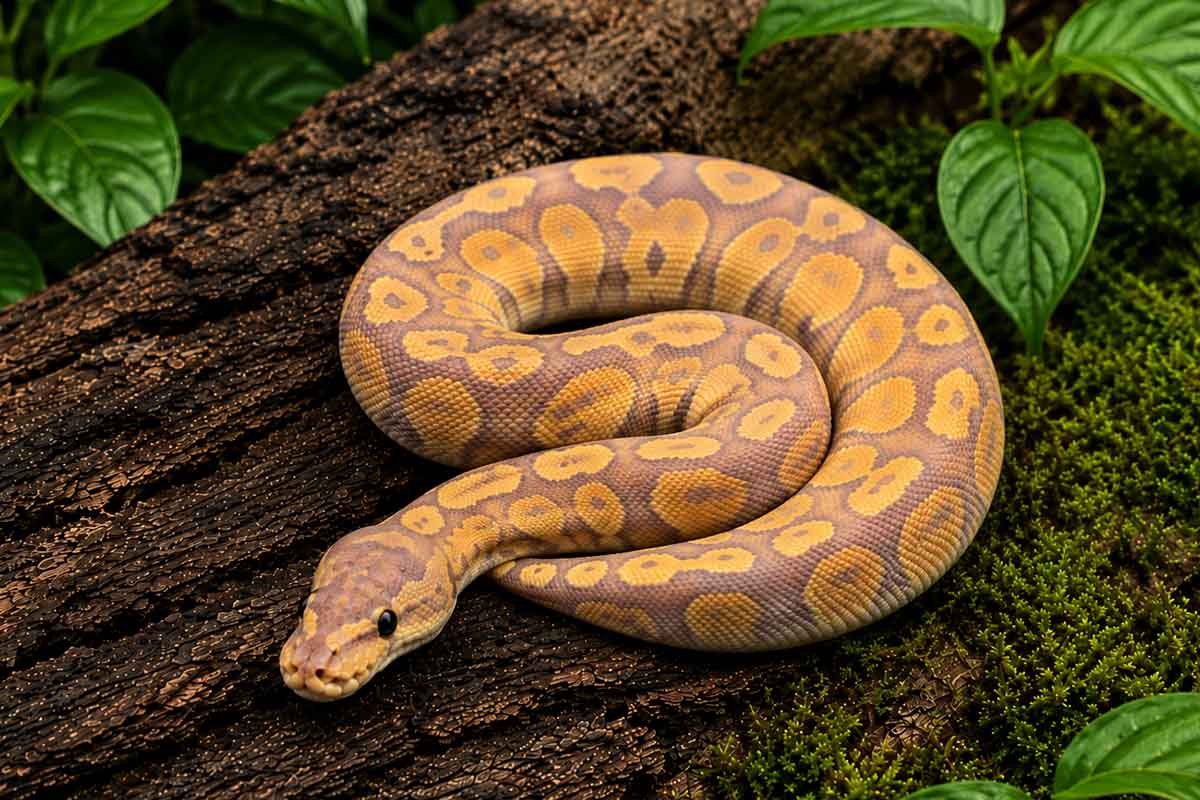 Banana Mojave ball python pictured
How Ball Python Morph Genetics Work
Morphs are inherited through genes, but not every morph is inhereted in the same way. Some are simple single-gene mutations, while others involve genes that interact in complicated ways. Breeders use specific terms to describe how ball python morph genetics are organized.
-
Base morph: a single-gene mutation that can serve as the foundation for combining with other morphs. The World of Ball Pythons morph list includes entries for Razor, Russo, Sable, and Spark as base morphs, with notes such as Test Available on some entries.
-
Multi-gene combination: a snake that carries two or more mutations, producing a combined appearance across multiple traits.
-
Allelic morphs: genes suspected of being part of the same complex but not yet proven through breeding trial. Breeders need test breeding to confirm these relationships.
-
Test available: a note on some morph listings indicating the animal has had a shed test that can be provided to the buyer.
Genetics also explains why two snakes with the same morph name can look different from each other. Different lines, hidden genes, and the way genes interact all play a role in the final appearance. If a breeder cannot explain the genetics behind a snake, that is a good reason to ask more questions before you commit.
How to Choose Your First Ball Python Morph
Start with the look you love. First-time buyers often gravitate toward lighter color morphs, and frequent favorites include pied, axanthic, and mystic potion. These snakes stand out from the classic wild-type appearance and are widely available from breeders who work with color mutations.
Next, learn what questions to ask. A snake may carry hidden genes that are not obvious just by looking at it. If you are unsure what morphs are in a particular snake, compare it to reference photos, read the breeder’s description carefully, and ask about the parents. Some genes can only be confirmed through shed testing, so documented lines carry more weight than guesses.
Finally, think about the adult look. Hatchlings change as they grow, and the final appearance can be noticeably different from the baby photo. Ask the breeder about the parents and any known color or pattern changes that happen with age. Experienced keepers also use reference guides and video tutorials to learn how to figure out what morphs are in a snake, a skill that becomes useful with every future purchase.
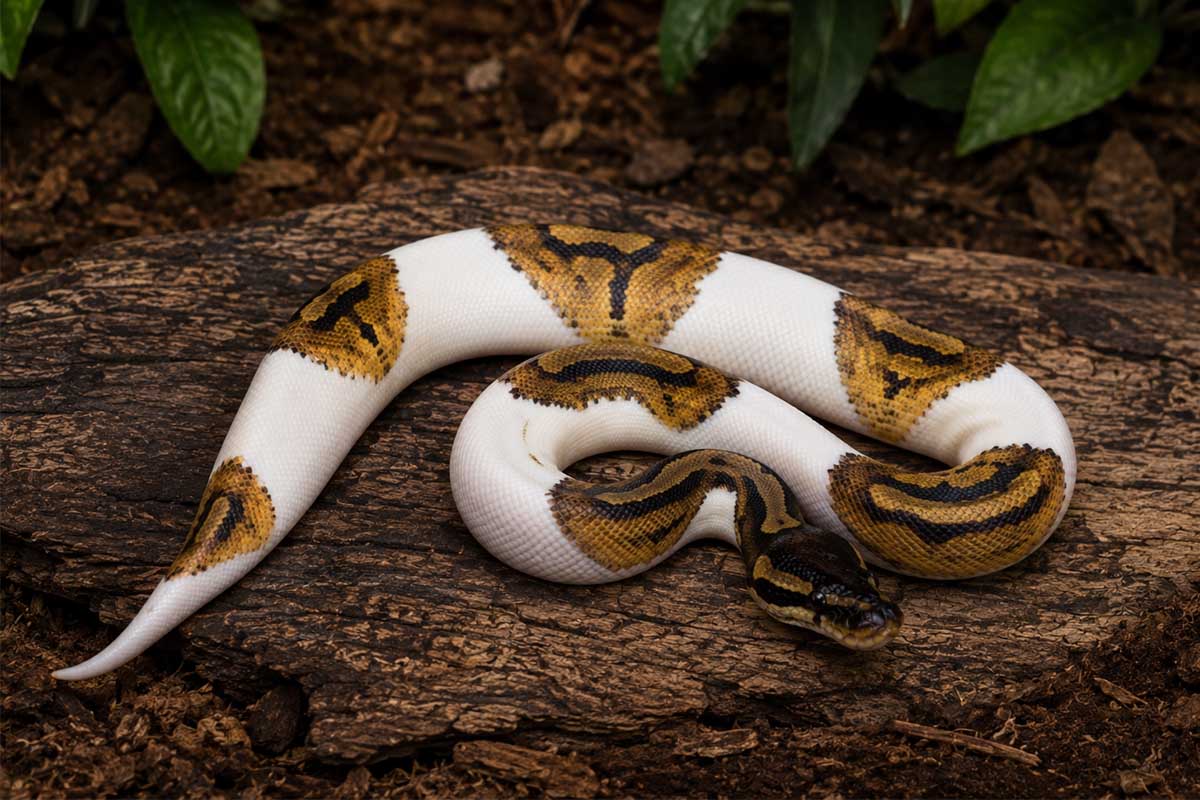 Pied ball python pictured
Questions to Ask a Breeder Before You Buy
A good breeder expects questions and welcomes them. Asking the right ones can reveal whether the snake you are considering has a clear genetic background and a solid start in life.
-
What morphs are in this snake, and which genes are confirmed?
-
How was the genetics confirmed, and does the snake come with documentation?
-
Are the parents available, and what do they look like?
-
Has this snake been health-checked, and what does it eat?
-
How is the snake shipped, and what live arrival guarantee is included?
You should also ask how to reach the seller after the sale. A breeder who ignores questions after payment is a red flag, while a breeder who offers guidance on feeding and care adds real value to the purchase. Written documentation of the morph and its genetic background gives you something to reference for years.
Where to Buy Ball Python Morphs
Reputable online reptile stores like XYZReptiles and trusted breeders offer a broad range of ball python morphs for sale , from albino, piebald, clown, banana, and blue eyed leucistic to advanced multi-gene combinations. Some marketplaces list more than 23,400 ball pythons for sale across the US and Canada, with overnight shipping and live arrival guarantees. That level of choice is great, but it also means you should know what you want before you start browsing.
When you are ready to buy, look for a store that specializes in reptiles and can answer detailed questions about individual animals. A good breeder shares clear photos, explains the genetics, and stands behind the health of the snake. Online reptile stores like XYZReptiles.com focus on captive-bred ball python morphs and the supplies needed to care for them, which makes it easier to get accurate answers in one place. Avoid purchases where the seller cannot provide basic information about the morph or the animal’s history.
Morphs Are Snakes First
No matter how striking the color or pattern, every morph is still a ball python with the same care requirements. Temperature, humidity, enclosure size, and feeding all matter more than the morph name. A healthy, well-started snake from a reputable source is the foundation of a good experience. Rarity and beauty should never come at the cost of the animal’s welfare, and a responsible breeder will always prioritize health over novelty.
Frequently Asked Questions
Here are answers to the questions buyers ask most often when they start looking at ball python morphs.
What is the best ball python morph?
There is no single best morph. The right pick depends on your taste in color and pattern, your budget, and your plans for breeding. Lighter color morphs such as pied, axanthic, and mystical potion are frequent favorites among first-time buyers. Choose a snake whose look you genuinely enjoy, and confirm that it comes from a breeder who documents genetics clearly and can tell you about the parents.
Are certain morphs unhealthy?
No morph in this guide is unhealthy on its own, but individual snakes can differ. Health depends more on breeding practices, daily care, and genetic background than on the morph name alone. Ask the breeder about feeding response, shedding history, and any known issues in the line. A snake from healthy parents with good care is always a safer choice than a rare morph with an unclear history.
What are the rarest ball python morphs?
Rarity in the ball python hobby changes quickly. A morph that is hard to find one season can become common the next once breeders produce enough animals. Some morphs stay uncommon because they are difficult to produce or because few breeders work with them. If rarity matters to you, ask breeders directly which morphs are currently in short supply and how many they produce each year.
How can I identify the morphs in my ball python?
If you do not know exactly what morphs are in your snake, it can be difficult to figure out, but there are ways to narrow it down. Start by comparing your snake to reference photos in a comprehensive morph list. Review any paperwork or genetic information from the breeder, and ask a more experienced keeper for an opinion. In some cases, shed testing is the only way to confirm whether a suspected gene is present.
How many ball python morphs are there?
There is no final number, because breeders name new morphs on a regular basis. One collection alone has documented more than 400 examples, and that count includes many single-gene morphs and color lines. The number of possible combinations is far larger, since multi-gene snakes multiply the options. For a current picture, browse an active morph list and see how many entries breeders offer today.