Ball Python Morph Genetics: How Traits Are Passed Down
Ball pythons show more genetic variation than any other animal on earth. Breeders add new combinations every year, producing thousands of colors and pattern combinations. Ball python morph genetics can seem complex at first, but the core ideas are not hard to follow. Genes carry the instructions. Parents pass those genes to offspring. The combination of genes decides each snake’s look.
What Is a Ball Python Morph?
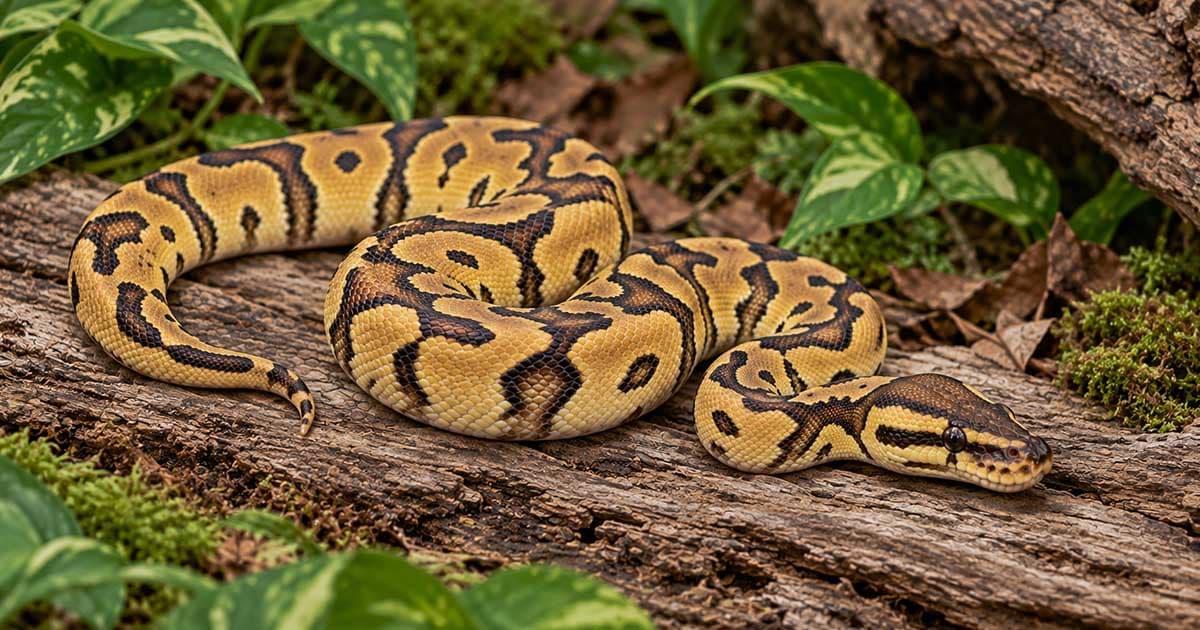
A morph is a variation in color, pattern, or both. The variation comes from a mutation in a specific gene. Albino, Piebald, and Clown are common examples. The word morph is used loosely across the hobby, and a single snake can carry several morphs at once. Breeders combine morphs to create new looks, and the list keeps growing every year.
Morph, Gene, and Allele: Know the Difference
People often use gene and morph interchangeably. In reality, a morph is the visual expression of an allele. An allele is a version of a gene. A useful way to think about it: a gene is a location, and an allele is a specific version of the instructions found at that location. Two snakes can carry different alleles of the same gene and look completely different from one another.
Mojave and lesser are different alleles of the same gene. Both produce their own visual trait, yet they share the same genetic spot. This distinction matters for breeding. Pairing two morphs that are different alleles of the same gene gives offspring one allele from each parent, and the result depends on that specific combination.
How Traits Pass From Parents to Offspring
Each snake receives one copy of every gene from each parent. That gives two copies total for each gene. The way those two copies interact decides whether a trait appears. This means some mutations are dominant and some are recessive. Understanding these patterns is the foundation of ball python morph genetics. These are the genes behind the ball python morphs you see for sale.
Dominant Mutations
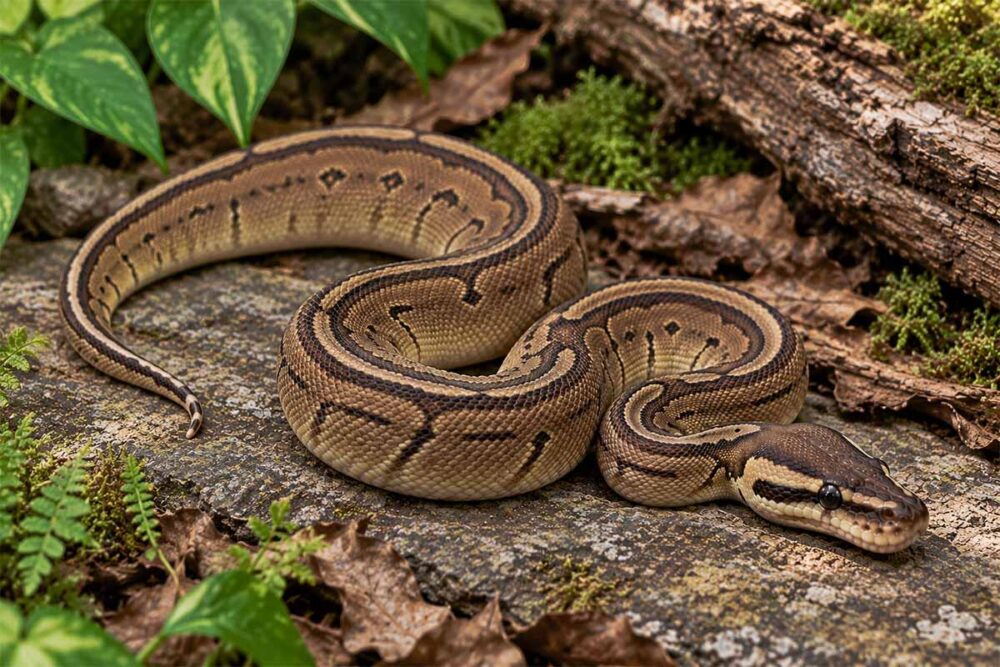
A dominant mutation needs only one copy to show. The pinstripe morph is a classic example. It comes from a dominant gene mutation, and both homozygous and heterozygous snakes display the same trait. A homozygous snake has two copies of the mutation, while a heterozygous snake has only one. Either way, the visual feature appears.
Recessive Mutations
A recessive mutation needs two copies to show, meaning one from each parent. A snake with a single copy looks normal but can still pass the mutation to its young. When two snakes carrying the same recessive mutation are bred together, some offspring can inherit two copies and show the trait.
These patterns explain why one pairing can produce a mix of morphs in a single clutch. When both parents carry multiple genes, each offspring can inherit a different combination. This is why ball python morph genetics rewards careful planning and why the same pair of snakes can produce several different-looking babies.
Morphs That Share the Same Gene
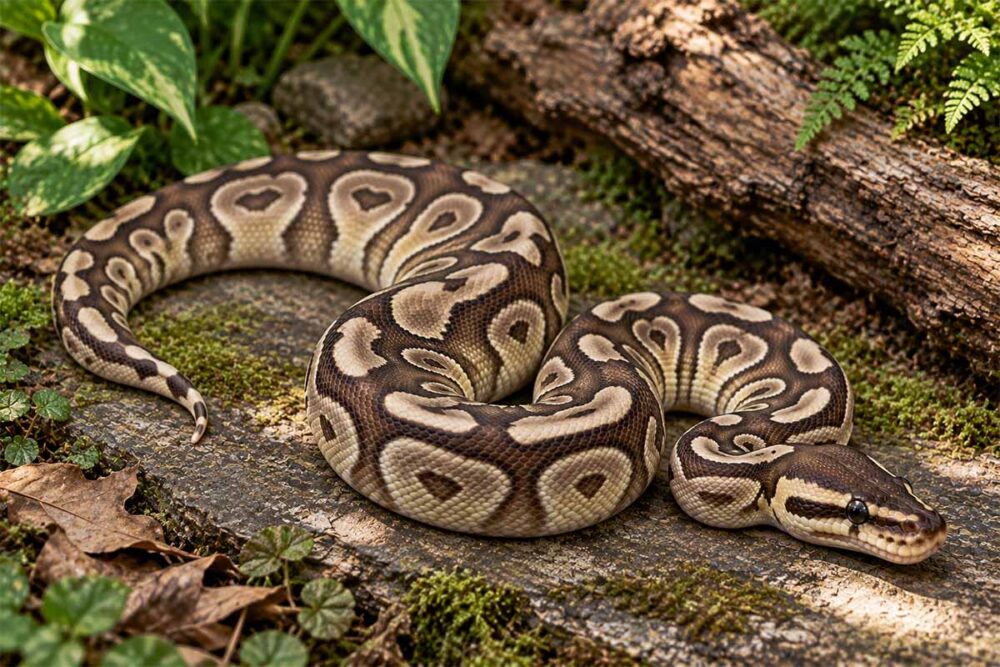
Some morphs are different alleles of the same gene. Mojave and lesser are a clear example. When two different alleles of the same gene are paired, each parent contributes its own version. The offspring can end up with a look that differs from each parent.
Similar names or similar appearances can be misleading. Research the gene behind each morph before planning a pairing. Knowing whether two morphs are alleles of the same gene helps you predict outcomes with more confidence.
Where Ball Python Morphs Came From
Some of the earlier morphs originated from wild-caught or farm-raised snakes in Africa in the 1990s. Odd-colored or patterned ball pythons were occasionally found among normal snakes. Breeders kept those unusual animals and built new lines from them. Those early snakes came from a small number of founders. As interest grew, breeders around the world built on those lines with new pairings. Today, the variety in ball pythons is unmatched by any other animal.
Polygenic Traits: Built From Multiple Genes
Not every trait follows a simple one-gene rule. Some traits are polygenic, meaning multiple genes shape the final result. Morphpedia lists Genetic Black Back and Genetic Reduced as polygenic traits. Both are also considered among the rarest ball python traits.
Polygenic traits are harder to predict. Several genes must line up in the right combination for the trait to show. Breeders working with polygenic traits need patience, good records, and a clear understanding of what each offspring inherits.
Common Morphs and What the Research Notes
The following morphs appear throughout discussions of ball python morph genetics. Each one has a specific place in the hobby.
| Morph | Key Genetic Note |
|---|---|
| Pinstripe | Traced to a dominant gene mutation |
| Mojave | One allele of a gene shared with Lesser |
| Lesser | One allele of a gene shared with Mojave |
| Albino | Example of a color morph |
| Piebald | Example of a color and pattern morph |
| Clown | Example of a color and pattern morph |
| Hypo | Morph with a genetic test listed as available |
Breeders often combine these morphs in a single animal to build complex looks. The genetic behavior of each morph travels with it, so every addition to a pairing should be researched. The expression of multiple genes in one ball python is called morph stacking. This creates rare ball python morphs that breeders and high end pet collectors treasure.
Genetic Behaviors and Breeding Oddities
Morphs can bring more than color and pattern changes. Some genetic lines carry behaviors or physical oddities. Breeders should know about these before adding a morph to their collection.
| Concern | What Breeders Should Know |
|---|---|
| The wobble | A documented genetic behavior in some ball pythons |
| Eye defects | A documented defect in some genetic lines |
| Kinking | Spinal kinking seen in some offspring |
| Female fertility | Fertility concerns linked to some morphs |
| Weird sex ratios | Unusual male to female ratios in some pairings |
| Fatal outcomes | Some morph combinations do not survive aka lethal genes |
These concerns do not apply to every morph. Still, they are documented enough that buyers and breeders should research the genetic behavior of any morph before committing to it.
Genetic Tests Confirm What a Snake Carries
Visual identification only gets you part of the way. Some morphs look alike, and some snakes carry hidden genes. Ball python morph genetics often requires more than eyesight to sort out. Ball python morph prices are partly driven by harder to produce genes making it necessary to understand all genes in the animal.
The Morph List at World of Ball Pythons includes a genetic test column for breeders. Some morphs, such as Hypo, have tests listed as available. Testing removes guesswork. It tells you which alleles your snake carries and what it can pass to its offspring.
Advice for Buyers and Breeders
Start by learning the basics of ball python morph genetics before you spend money. Know whether a morph is dominant or recessive. Understand whether it is an allele of a gene shared with another morph. Check if any negative genetic behaviors are associated with the line.
Buy from sellers who can answer these questions. Reputable breeders track the genetics of their collection and can explain how their snakes were produced. A good seller shares that information openly. The more you understand, the fewer surprises you will have when your offspring hatch.
New morphs appear every year, so the learning never really stops. The good news is that the foundation stays the same. Once you understand genes, alleles, and inheritance patterns, you can apply that knowledge to any new morph that shows up. Explore availabe ball pythons for sale.
Frequently Asked Questions
How do I tell my ball python’s morph?
Start by comparing your snake to a morph list with photos. Many single-gene morphs are easy to identify visually. Combinations can be harder because different morphs may look similar. For a definitive answer, use a genetic test. Morph lists show which tests are available for each morph, so you can confirm exactly which alleles your snake carries.
What is the rarest ball python morph?
Rarity changes over time because new morphs are added every year. Among polygenic traits, Genetic Black Back and Genetic Reduced are both listed as among the rarest. Single-gene rarity depends on how many breeders produce that morph. A morph that is rare today could become common in a few years, so check current listings and breeder data for an up to date answer.
What are the best ball python morphs to breed?
The best morphs depend on your goals. Some breeders focus on popular single-gene morphs, while others aim to create new combinations. Since new combinations are added to the hobby every year, there is always room for fresh pairings. Choose morphs you enjoy, confirm how their alleles interact, and pair snakes that complement each other genetically.
Which ball python morphs should I avoid?
No single list covers every morph to avoid. The better question is which genetic behaviors come with a morph. Some lines are linked to the wobble, eye defects, kinking, female fertility problems, weird sex ratios, and fatal outcomes in offspring. Research the genetic behavior of each morph before you buy or breed it, and ask the seller for details about the specific line.