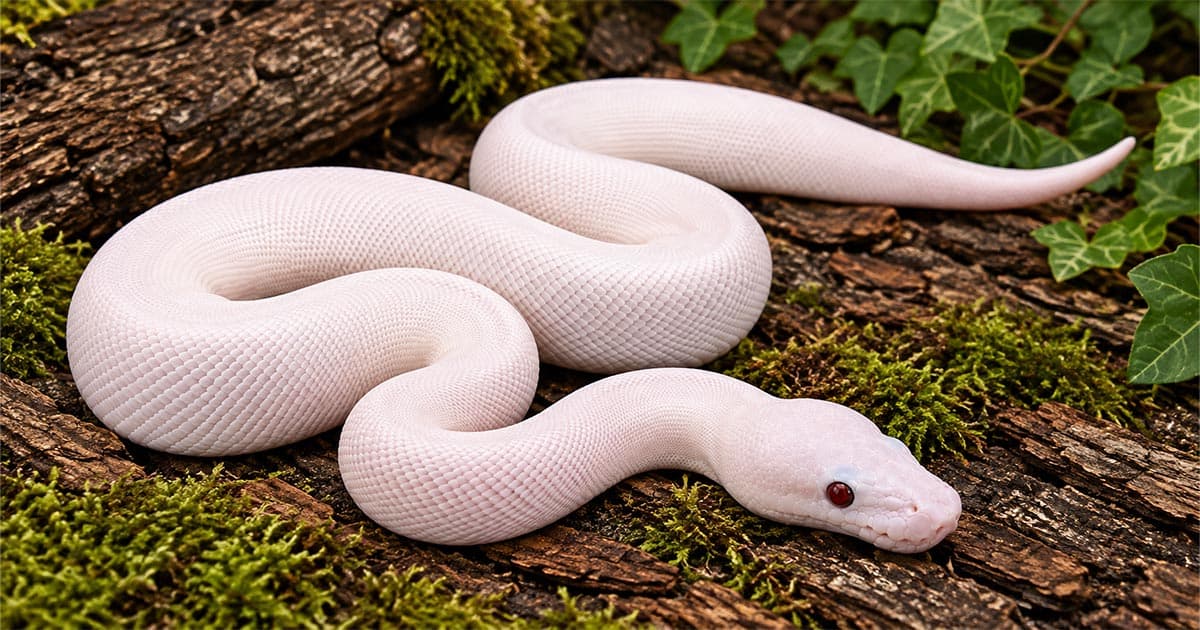
Ball Python Super Forms: What They Are and Why They’re Special
Ball python keepers meet the term super form within about five minutes of browsing a morph list. It shows up in names like Super Pastel and Super Fire, and it usually comes with a long list of questions.
A super form is not a separate species or a random mutation. It is what you get when a ball python carries two copies of a co-dominant gene instead of one.
That small genetic difference changes how the snake looks and what it passes on to its offspring. Understanding it makes morph shopping and breeding plans far easier.
What Makes a Ball Python a Super Form
A morph name describes a gene and the look that gene creates. Many ball python morphs appear in two visual versions: the single-gene animal and the animal carrying two copies of that same gene.
The two-copy version is the super form. The word super is a genetics label, not a quality ranking. Two copies of a co-dominant gene often push the visual traits further than one copy, which is exactly why the name stuck.
Three terms cover most of the conversation:
- Morph: the gene and the appearance it produces.
- Single-gene or heterozygous: one copy of that gene.
- Super or homozygous: two copies of that gene.
Where Super Forms Fit in Ball Python Genetics
Super forms belong to the co-dominant side of ball python genetics and sit within the broader world of ball python morph genetics. With a co-dominant gene, one copy already creates a visible change from a normal ball python, and two copies create something different again.
Keeper forums have debated for years how supers occur and how recessive and dominant traits fit into the picture. The practical answer is that super lingo is used for co-dominant genes, not for every morph on the market.
Recessive morphs follow a different rule. A recessive gene stays hidden until both copies are present, so a visible recessive animal is already carrying two copies. Breeders call those visual recessives, not supers.
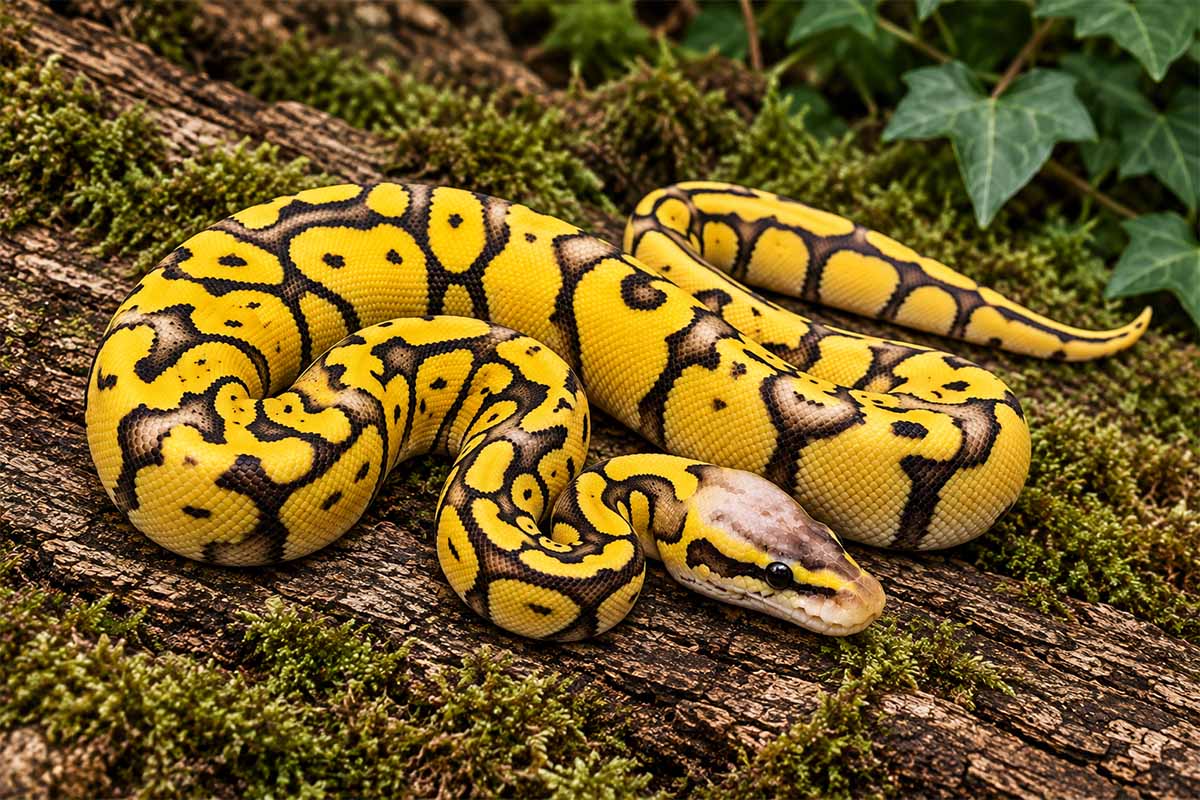 Super Pastel Ball Python pictured.
Why Breeders Care About Super Forms
Breeding is where supers earn their reputation. A super form passes its genetics along in a predictable way, and predictability is valuable when a project takes years.
Breeders report that when you breed with a super form, you will not produce normal ball pythons. Offspring only get what the parents carry, so the clutch stays inside the genes you planned around.
Keeper discussion on super form breeding also notes that going for a super can improve your odds compared with not using a super at all in the project. That edge adds up fast across multiple seasons.
This is why supers show up so often in multi-gene work. A breeder can build a combo around known genes instead of hoping a single pairing delivers a lucky result.
Super Pastel: A Close Look at a Classic Super
Super Pastel is the example most keepers see first. These snakes are described as extreme yellow animals with drastically faded heads.
Blushing runs extensively through the pattern, and the markings often take on a purplish grey appearance. That washed, soft look separates a super from a standard pastel.
Super Fire is another super form that appears regularly in breeder listings. As with any morph, clear photos from the seller are the best way to judge how strongly those traits show on a specific animal.
Super Forms and Single-Gene Morphs Side by Side
The difference between a base morph and its super form comes down to gene copies and the results you get from breeding.
| Feature | Single-Gene Morph | Super Form |
|---|---|---|
| Gene copies | One copy of the co-dominant gene | Two copies of the co-dominant gene |
| Typical look | The classic version of the morph | An intensified, more extreme version |
| Naming | The morph name alone, such as Pastel | The morph name plus Super, such as Super Pastel |
| Normal offspring | Possible, depending on the other parent | Breeders report no normal ball pythons, since offspring carry what the parents carry |
 Banana Ball Python pictured.
Super Forms Inside Multi-Gene Combos
Single genes rarely travel alone in modern collections. Ball pythons for sale cover a broad range of morphs, including albino, piebald, clown, banana, blue eyed leucistic, and advanced multi-gene combinations.
Super forms slot into those stacks as one ingredient among several. A super gene can sit alongside other morphs, and the final look depends on the whole recipe rather than one label.
Reference lists help you keep the vocabulary straight. The World of Ball Pythons morph list catalogs base morphs such as Krg, Hypo, Jolt, Lace, Lori, Puma, Saar, and Leche, and combination projects build from names like those.
Trade names can vary between sellers, and a long combination name does not always tell you which gene is super. Ask for a written gene list instead of guessing from the title on the listing.
What to Check Before Buying a Super Form
A super form is still a ball python with the same basic ball python care needs as any other. The morph label changes the genetics, not the husbandry.
- Ask whether the snake is a super form or the single-gene version of the same morph. The two look different and breed differently.
- Request the full gene list rather than the trade name alone, since naming conventions vary between sellers.
- Look at clear photos of the head, pattern, and belly so you know what you are buying before it ships.
- Confirm shipping and guarantee terms. XYZReptiles ships overnight on Tuesdays and Wednesdays within the lower 48 states and provides a live arrival guarantee on animals.
- Set up the enclosure before arrival, with proper heat, hides, fresh water, and a secure lid.
Price and availability shift with the market, so compare current listings rather than relying on numbers you saw months ago.
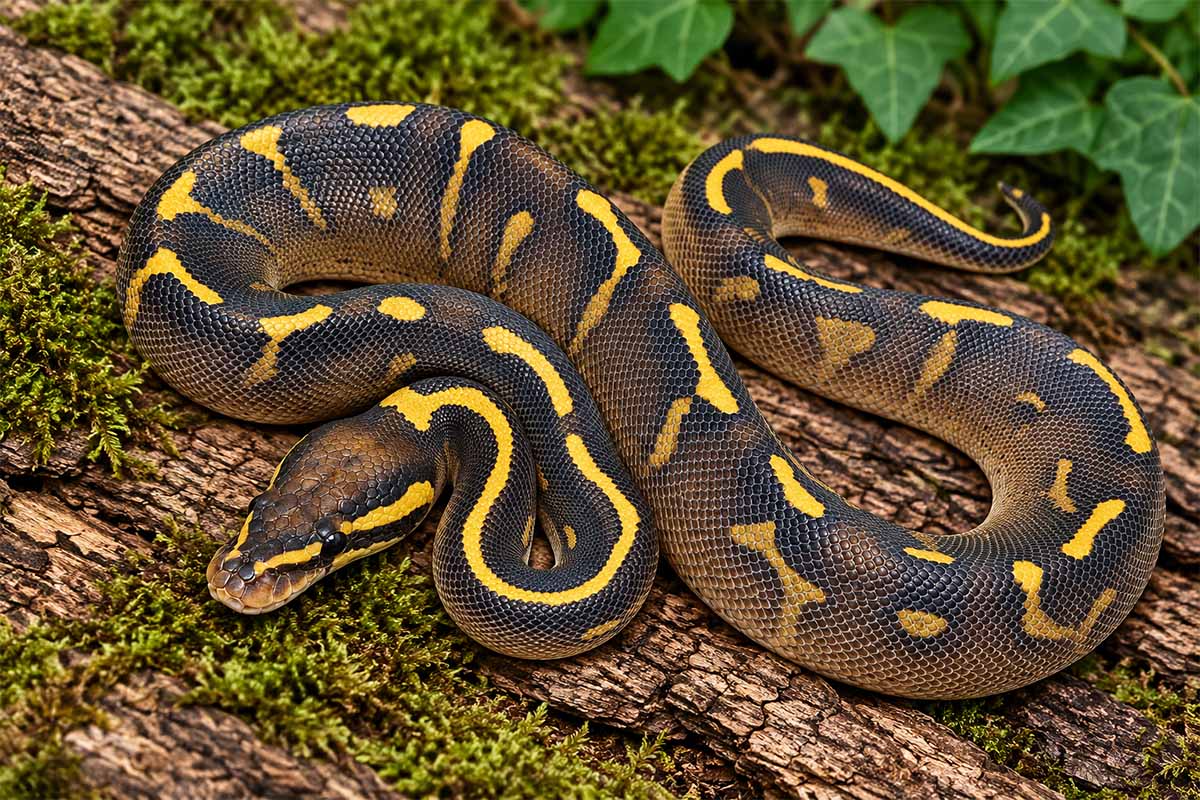
Super Gravel Ball Python pictured.
Common Misunderstandings About Ball Python Super Forms
- Super is not a morph on its own. It describes the two-copy state of an existing co-dominant gene.
- Supers are not the same as recessive visuals. Recessive morphs need two copies to show at all, but keepers do not usually call them supers.
- Not every morph has a super form. If the gene is recessive, there is no super version to chase.
- A super form does not lock in a specific look inside a combo. Other genes in the mix still shape the final animal.
- Super does not automatically mean rare or better. Value depends on the genes involved and what buyers are looking for.
Frequently Asked Questions
What is a super form in a ball python?
A super form is a ball python carrying two copies of a co-dominant gene instead of one. Because co-dominant genes are visible with a single copy, the two-copy animal often shows a more extreme version of that look. The term describes the animal’s genetics, not a separate morph or a measure of quality.
Will a super form produce normal babies?
Breeders report that pairing with a super form means you will not produce normal ball pythons. Offspring inherit what the parents carry, so a super parent keeps the clutch inside the genes you planned around. That predictability is a big reason breeders build projects around super forms in the first place.
What does a Super Pastel look like?
Super Pastels are described as extreme yellow snakes with drastically faded heads and extensive blushing across the pattern. Those markings often take on a purplish grey appearance. The effect is softer and more washed out than a standard pastel, and photos from the seller are the best way to judge a specific animal.
Is a super form the same as a recessive morph?
No. Recessive morphs need two copies of a gene before the trait shows at all, so a visible recessive is already a two-copy animal. Keepers call those visual recessives. Super form language is used for co-dominant genes, where one copy and two copies each create their own distinct look.
Do super form ball pythons need different care?
No. A super form is still a ball python, so the same basics apply: correct heat, suitable humidity, secure hides, fresh water, and a consistent feeding routine. Genetics affect appearance and breeding outcomes, not husbandry. Ask the seller about the animal’s current feeding schedule so the transition to your setup goes smoothly.